- Click here to read
- Click here to listen
- Thanks for the prayers. The headache is almost gone.
These chapters are similar to what we read in Leviticus, they explain the importance of holiness among the Israelites. However, chapter 5 talks about restitution.
6 “Say to the Israelites: ‘Any man or woman who wrongs another in any way and so is unfaithful to the Lord is guilty 7 and must confess the sin they have committed. They must make full restitution for the wrong they have done, add a fifth of the value to it and give it all to the person they have wronged.
This is one of those scriptures that many have never read or heard in church. It’s weird.
5:11-31 The test of the unfaithful wife.
I actually had to read this a few times and process it for a while.
- In biblical law, this is the only kind of case in which the Lord Himself renders the verdict through a spiritual procedure.
- The Israelite court was made of all-men, and God knew that men would naturally side with a man who suspected his wife of unfaithfulness. and women would have difficulty attaining a fair hearing.
- When a woman would pass the test, her husband could have full confidence in their marriage.
- Unfortunately, if she failed, her “womb” (not baby) would miscarry, becoming infertile.
The Nazarite Vow:
The Nazarite vow is taken by a man or woman who has voluntarily dedicated themselves to God. The Hebrew word nazir means “to be separated or consecrated.” I love that we read this during Lent (some will know what that is)
- It is voluntary
- can be done by either men or women
- has a specific time frame,
- has specific requirements and restrictions
- at its conclusion, a sacrifice is offered.
Three guidelines are given to the Nazirite:
- abstain from wine or any fermented drink, nor was the Nazirite to drink grape juice or eat grapes or raisins, not even the seeds or skins.
- the Nazirite was not to cut his hair for the length of the vow.
- he/she was not to go near a dead body, because that would make him ceremonially unclean. Even if a member of his immediate family died, he was not to go near the corpse.
The vow ended with a purification ritual that paralleled the consecration of the priests. The vow allows an ordinary Israelite to enjoy a brief moment of exceptional closeness to God. ❤. However, there are a few in the Bible that were dedicated by their parents for life.
Who else will be a Nazarite in the Bible?
- Samuel
- John the baptist
- Samson
- also, Paul took a temporary vow possibly (Acts 18:18)
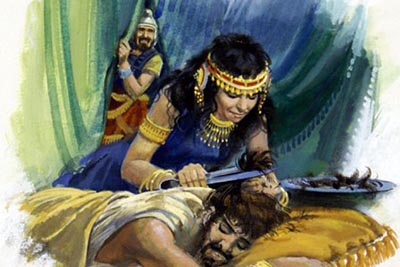
Ohhhh now the story of Samson will totally make sense when we get there!